City guides
City guides (410)

Puerto Varas
Chile
Puerto Varas, the 'City of Roses,' sits on the shore of Lake Llanquihue with twin volcano backdrops (Osorno and Calbuco) and a distinctive German-colonial heritage of shingled houses and the landmark Sagrado Corazón church. A genteel, year-round destination - lake tourism, gastronomy, and a gateway to Patagonia via nearby Puerto Montt airport - it is among southern Chile's most desirable and stable property markets. Built homes average roughly USD 2,200-3,200/m² near the lake, while parcelas (land plots) toward Ensenada and along the Llanquihue route trade from about 1,220-1,650 UF. The broader southern region led Chilean new-apartment price growth at around 14.6% year-on-year in Q3 2025 (about 9.8% inflation-adjusted), and gross rental yields run near 5-7% blending long-term tenancy with strong seasonal short-lets. Foreigners enjoy full freehold ownership identical to Chileans, with permanently registered Conservador title and no residency requirement; rural and agricultural parcels warrant standard title due-diligence. The investment case is lifestyle prestige plus southern growth: scarce lakefront, a wealthy domestic-and-expat buyer base, established tourism infrastructure, and Patagonia-gateway connectivity that together underpin both appreciation and dependable rental income.
Santiago
Chile
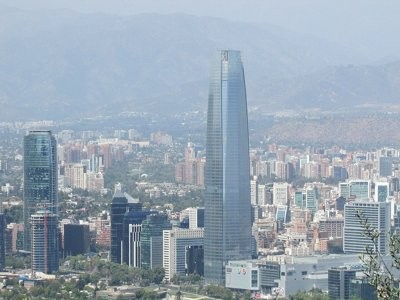
Santiago is Chile's capital and financial hub, a metropolitan area of around 7 million people set against the backdrop of the Andes. It is Latin America's most stable capital market, with an investment-grade economy and a "Sanhattan" financial district concentrated in the affluent eastern communes of Las Condes, Vitacura and Lo Barnechea. Property prices and mortgages are denominated in the inflation-indexed UF, which has protected real values through volatile periods and makes the city a long-hold, inflation-protected market. With the policy rate down to 4.5% and mortgage rates near 4%, demand is recovering, though a large stock of unsold units keeps buyers in a strong negotiating position.
Valparaíso
Chile
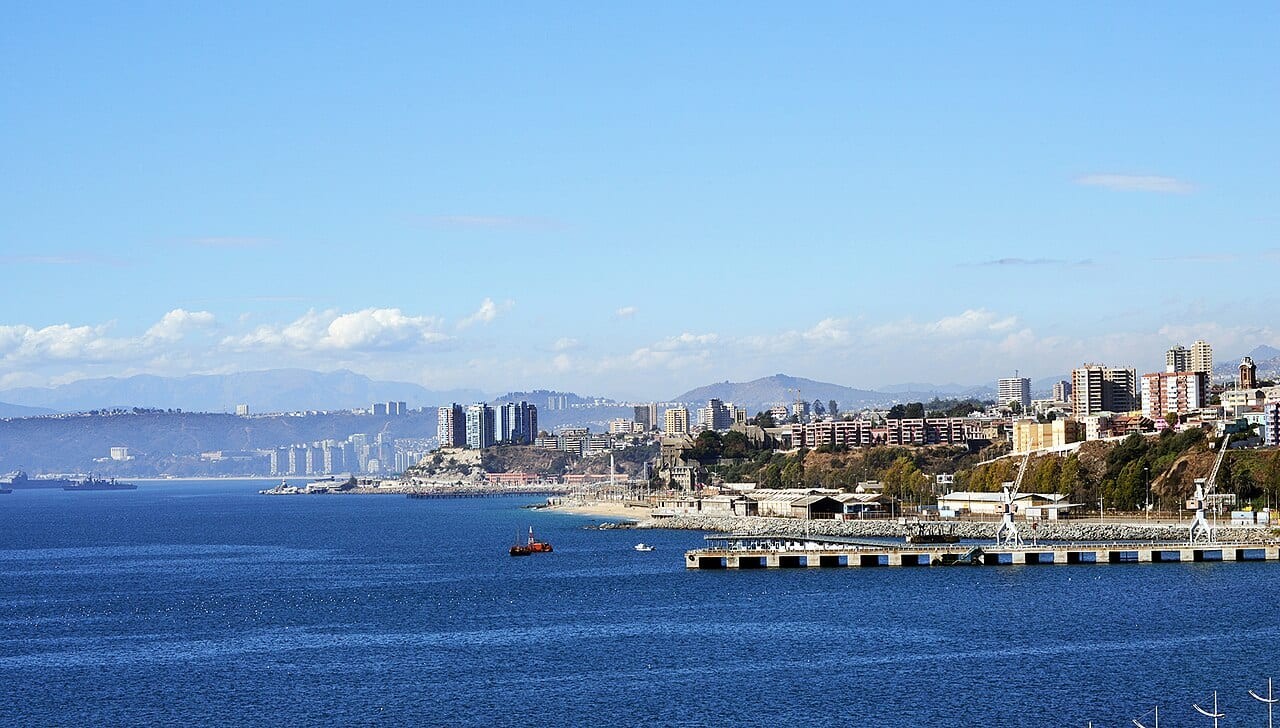
Valparaíso, Chile's bohemian Pacific port and a UNESCO World Heritage city since 2003, offers one of Latin America's most distinctive real-estate stories for 2026. Its amphitheatre of 42 cerros (hills) laced with funiculars, street art and 19th-century European architecture draws a steady tourist and digital-nomad stream just 90 minutes from Santiago. Median apartment values sit near CLP 2.14 million/m² (roughly USD 2,250/m²), with heritage houses around CLP 2.0 million/m² - a deep discount to capital-city pricing. Gross rental yields average about 4.0% citywide but climb to 5.5-7.5% in student-and-transport-rich hills such as Cerro Placeres and Cerro Barón. Nominal prices rose roughly 3% year-on-year (near flat after Chile's ~4% inflation), leaving buyer-friendly conditions after the 2024 correction. Foreigners enjoy full freehold rights identical to Chileans - title is permanently registered at the Conservador de Bienes Raíces, with no residency requirement and the only meaningful limits applying to neighbouring-country nationals in border zones (irrelevant here). The investment thesis is yield plus heritage scarcity: Airbnb demand in Cerro Alegre and Concepción supports short-let premiums, while restoration grants and the new port-edge regeneration underpin medium-term capital growth.
Viña del Mar City Guide
Chile
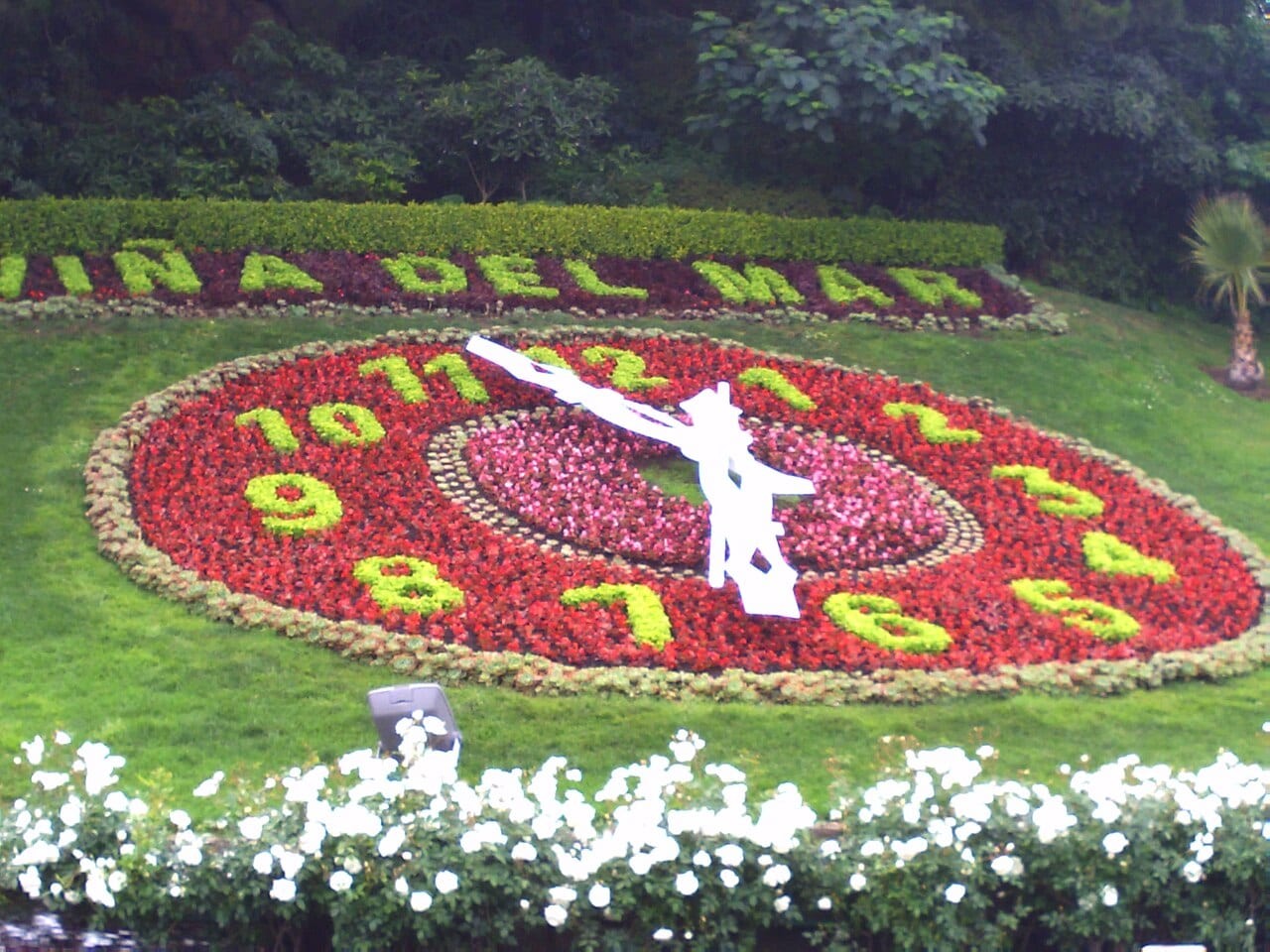
Viña del Mar, the 'Ciudad Jardín' (Garden City), is Chile's premier Pacific beach resort, fronting the bay alongside neighbouring Valparaíso and built on a flat coastal core ('El Plan') backed by hillside terraces. It runs on summer and festival tourism (the Festival de Viña at the Quinta Vergara) and a coastal second-home market, driving a strong seasonal short-term-rental economy alongside steady year-round residential demand. Property is priced in UF (an inflation-indexed unit) and CLP, with the commune average around 70+ UF/m² (≈US$2,800–3,050/m²). Foreigners buy on fully equal terms, and for investors the case is lifestyle and tourism upside plus inflation-protected pricing, with conservative long-let gross yields of ~3.6–4.8%.
Barranquilla City Guide
Colombia
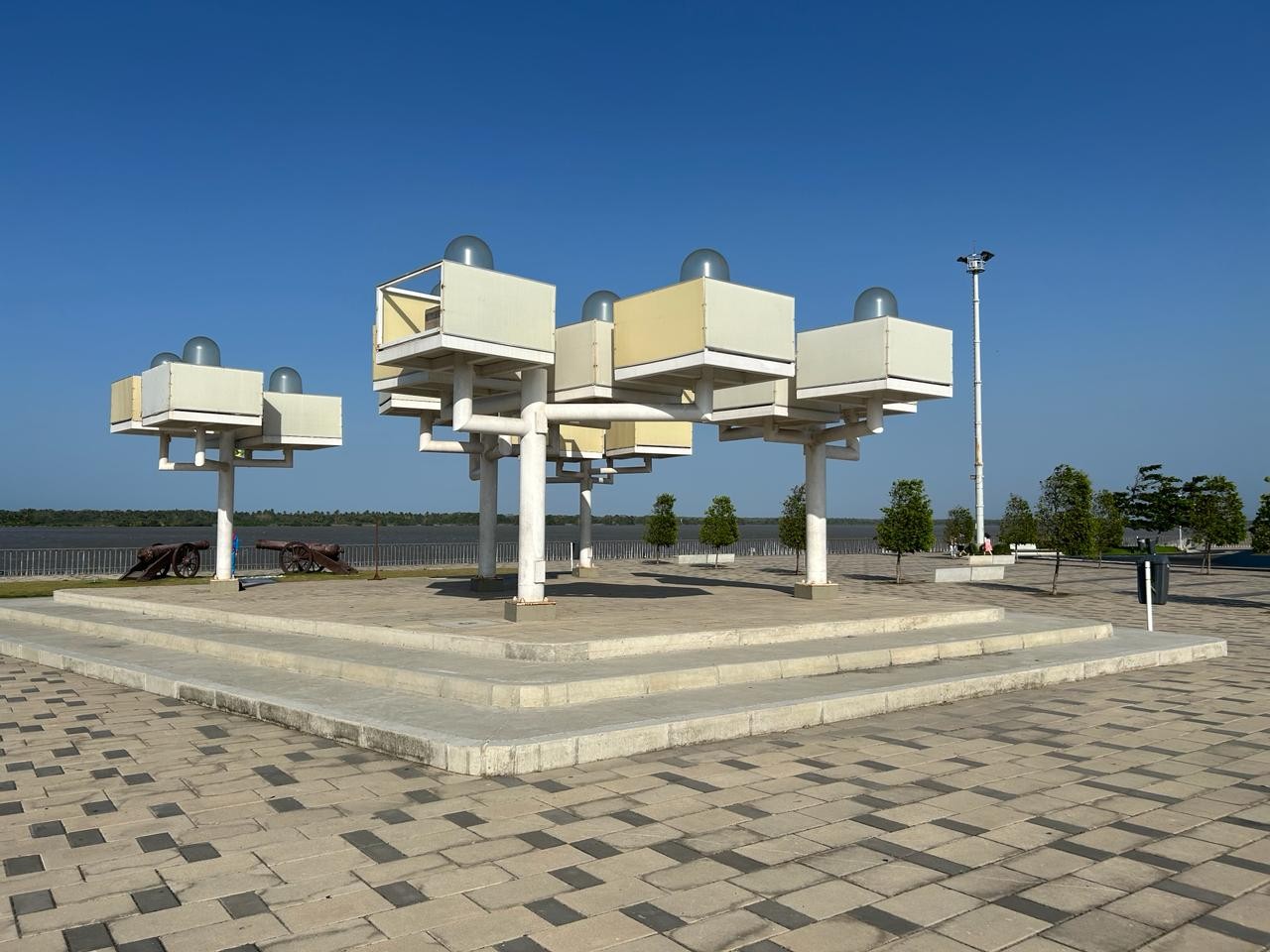
Barranquilla is Colombia's fourth-largest city and the commercial capital of the Caribbean coast, anchored by a multimodal port at the mouth of the Magdalena River and a long-established Zona Franca industrial base. It is on a visible upswing, the riverfront Gran Malecón regeneration and the UNESCO-recognised Carnaval de Barranquilla drive tourism and lifestyle demand, while its historic El Prado district (a national heritage conservation area of 1920s mansions) gentrifies and the affluent northern corridor of Alto Prado, Villa Country and Riomar fills with new luxury towers. For investors it offers a lower entry point than Bogotá or Medellín with comparable Colombian-style yields and a clear growth narrative.
Bogotá
Colombia
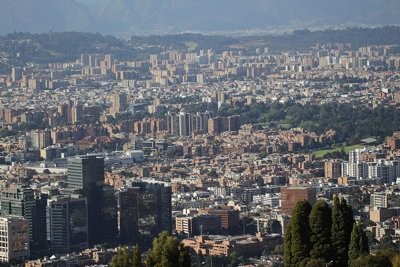
Bogotá is Colombia's capital and largest property market, a high-altitude Andean metropolis of around 8 million people (and an 11.8-million-person metro) that serves as the country's business and government hub. Its investor market concentrates in the affluent north and east, Chapinero, Usaquén, Chicó, Zona Rosa and Cedritos, where professional rental demand is deepest. Prices grew modestly in nominal terms in 2025 but were slightly negative in real terms, framing Bogotá as a recovery market with attractive headline rental yields. As elsewhere in Colombia, foreign buyers must register inbound funds with the central bank (Form 4) to preserve repatriation, and gross yields should be discounted for costs.
Cali City Guide
Colombia
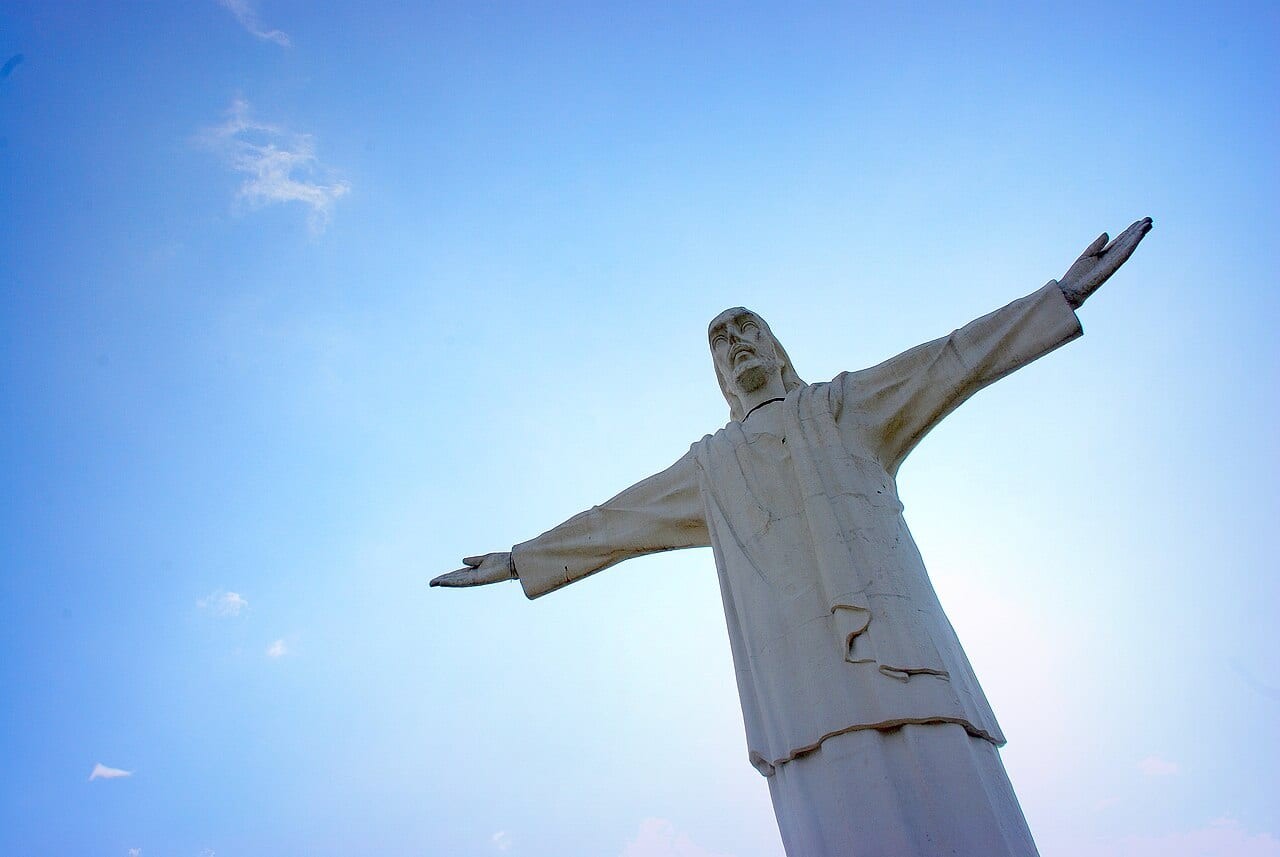
Santiago de Cali is Colombia's third-largest city and the world capital of salsa, a warm, energetic Valle del Cauca metropolis of around 2.2 million at the foot of the Farallones, watched over by the Cristo Rey statue. More affordable than Bogotá or Medellín, it offers Colombia's higher rental yields and a fully open foreign-ownership regime, concentrated in prime barrios like Granada, El Peñón and San Antonio, with safety that is improving but still varies by zone.

Cartagena
Colombia
Cartagena is Colombia's premier Caribbean tourism market, a UNESCO World Heritage walled colonial city whose Centro Histórico, Bocagrande high-rises and revitalised Getsemaní draw international visitors and short-term-rental investors year-round. Property is split between heritage facades inside the walls, beachfront towers on the peninsula, and emerging districts like Manga and La Boquilla. The arrival of luxury brands (a Four Seasons in 2026) signals a move up-market. The key risk is short-term-rental oversupply: with thousands of listings, falling occupancy and tightening licensing, marketed gross yields should be discounted heavily to realistic, occupancy-adjusted returns.
Medellín
Colombia
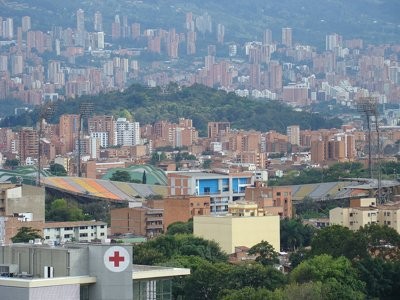
Medellín, the "City of Eternal Spring", sits in the Aburrá Valley of Antioquia and has become Latin America's premier destination for remote workers and lifestyle investors, drawing a large international community to districts like El Poblado and Laureles. It posted the strongest 2025 price appreciation of any major Colombian city and offers low US-dollar entry prices that comfortably clear Colombia's investor-visa threshold. The headline rental yields are attractive, but they require careful underwriting: short-term-rental supply has surged, average occupancy is modest, and the city has introduced building-level short-let restrictions in El Poblado and Laureles. Net yields run well below the marketed gross figures.
Santa Marta City Guide
Colombia
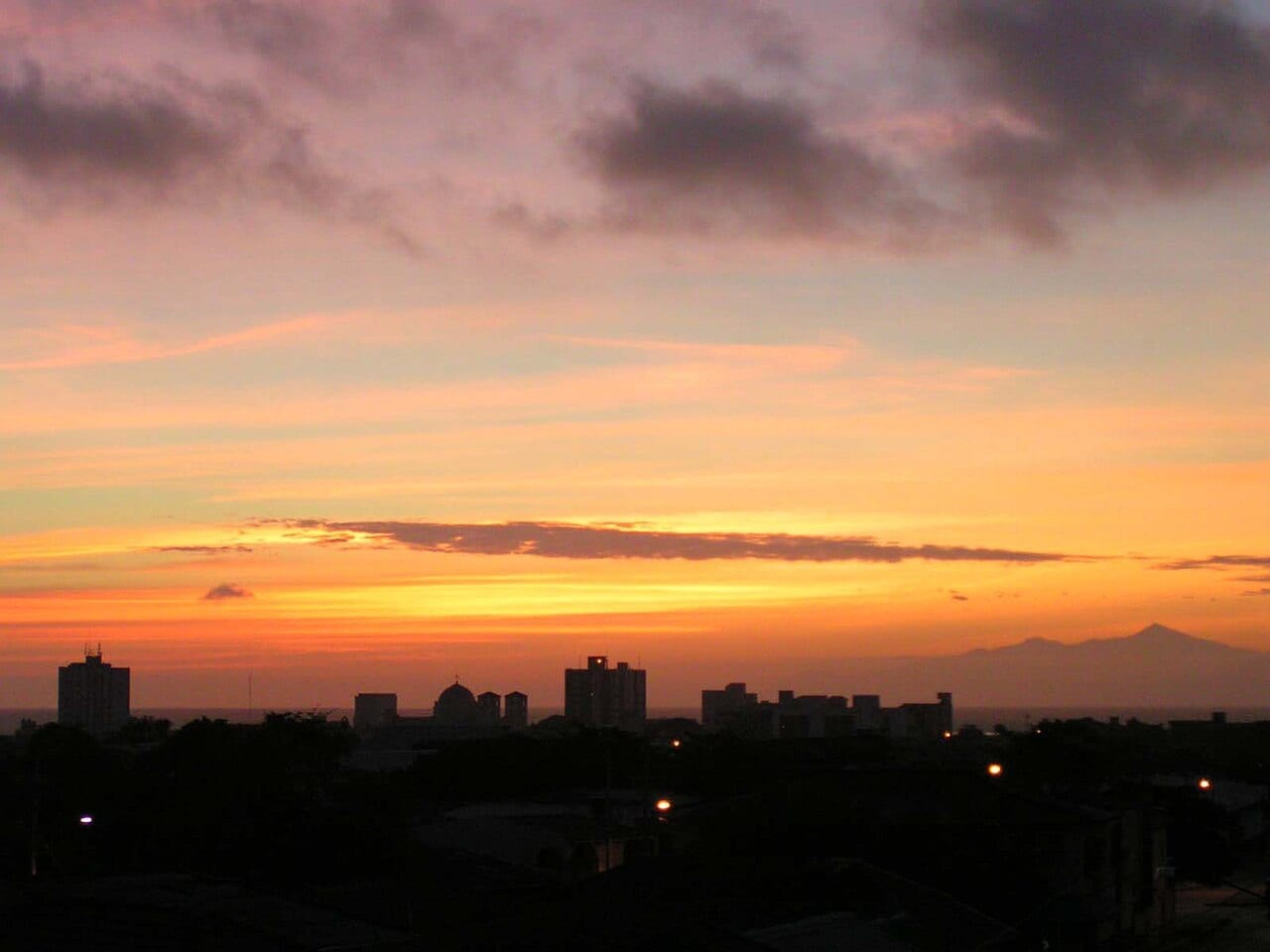
Santa Marta, the oldest surviving city in Colombia and the capital of Magdalena department, has become one of the country's hottest coastal property markets. Set on the Caribbean where the Sierra Nevada mountains meet the sea, the city combines beaches, the gateway to Tayrona National Park and a fast-improving tourism economy. Prices have risen dramatically, roughly 59% between 2022 and 2025, far outpacing Barranquilla and other regional capitals, with the citywide average reaching around COP 7.3 million per square metre by late 2025 (a median home near COP 450 million, or about USD 118,000). The market is led by El Rodadero, the premier beach district where apartments fetch COP 5-12 million/m2, and the upscale coastal corridor of Playa Salguero, Pozos Colorados and Bello Horizonte. The investment appeal is rental income: well-located short-term rentals can outperform long lets meaningfully, though city-wide short-let occupancy averages only 41-45% with sharp seasonality, strong holiday peaks above 70% but soft off-season midweeks below 30%. Colombia welcomes foreign buyers on equal terms with locals. Investors must weigh genuine risks: Colombian peso volatility, the sustainability of recent double-digit price gains, heavy reliance on tourism seasonality for short-let returns, and infrastructure and utility constraints that vary by neighbourhood.

San Jose
Costa Rica
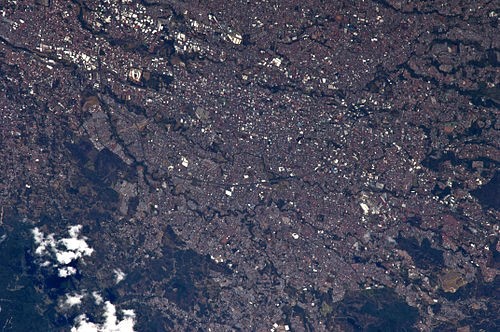
San Jose is Costa Rica's capital and the heart of the country's central valley -- a temperate, eternal-spring climate region (1,170m elevation) home to ~70% of the country's population. The city is the political, financial, and educational centre of one of Latin America's most stable democracies, with strong English fluency and a long-running US/Canadian expatriate community. Residential prices in prime districts (Escazu, Santa Ana, Curridabat, Sabana, Rohrmoser) range from USD 1,800-3,500 per square metre, with gross yields of 5-8%. Foreign buyers face zero restrictions and can purchase freehold property anywhere in the country -- one of Latin America's most open markets. The Costa Rican colon (CRC) tracks USD relatively closely. For international buyers, San Jose offers political stability, environmental safe-haven status, strong English-speaking professional services, and a long-established North American expat community. The catch: it's not a beach city (the Pacific coast is 1-2 hours away), traffic congestion is severe, and infrastructure is patchier than in major Mexican or Panamanian cities.
Tamarindo City Guide
Costa Rica
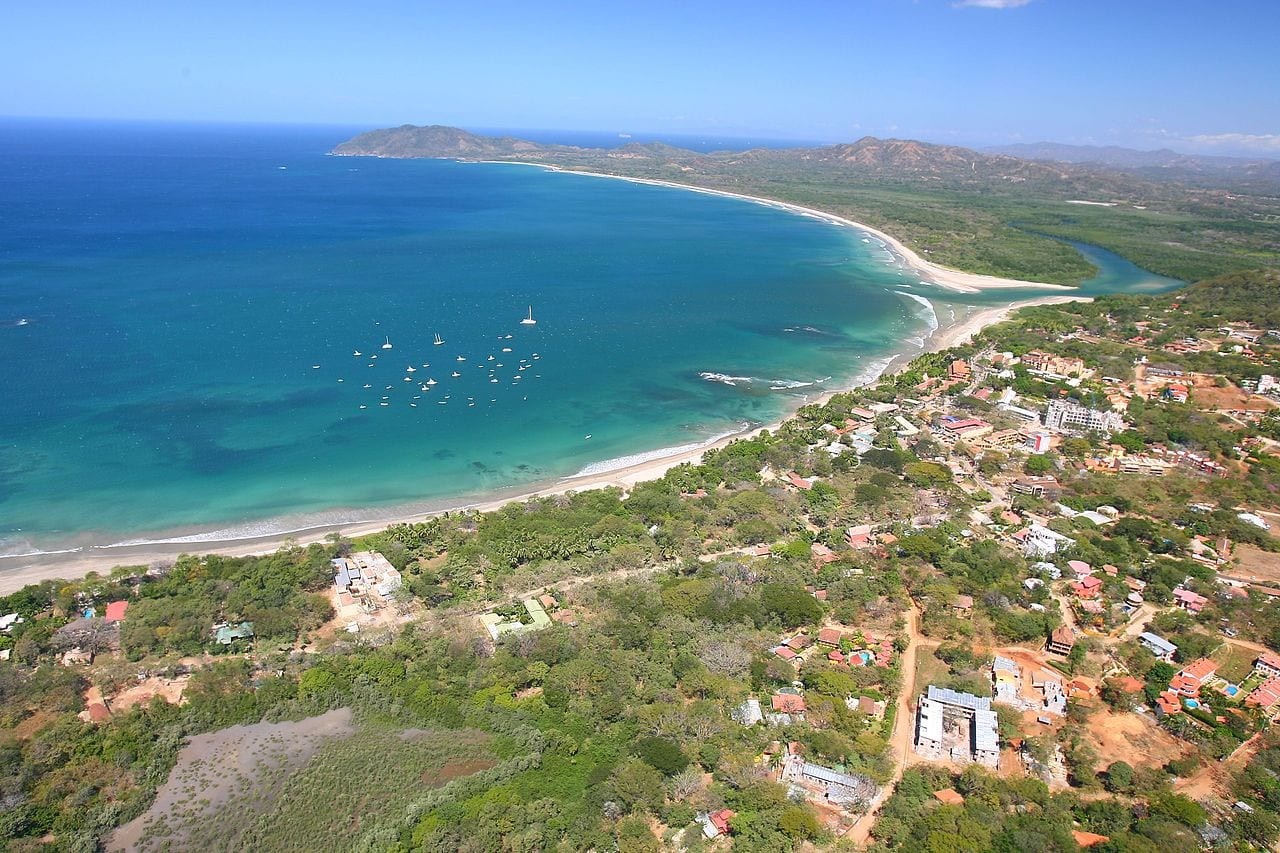
Tamarindo is the established beach-resort capital of Costa Rica's Guanacaste province on the northern Pacific coast, a surf-and-sun town that has matured into one of the country's most liquid second-home and vacation-rental markets. Costa Rica grants foreigners the same property rights as citizens (outside the maritime zone), and Tamarindo's proximity to Liberia's Daniel Oduber international airport, under 90 minutes away with direct North American flights, drives a deep pool of overseas buyers and short-let guests. Pricing spans entry-level condos from around USD 300,000 to single-family villas above USD 400,000, with the luxury segment averaging roughly USD 1.7 million. Beachfront and ocean-view condos near the centre, the Langosta and Playa Grande fringes, and gated hillside communities form the core investment zones. Annual occupancy in this high-tourism corridor typically runs 70-80%, with values appreciating in a steady 5-8% range over the past decade. Vacation-rental income is the primary return driver. Some local brokers cite gross yields of 8-12%, but those figures assume peak-season pricing and high occupancy; a defensible underwriting range is closer to 5-7%. Tamarindo enters 2026 as Guanacaste's most proven coastal market.

Brno City Guide
Czech Republic
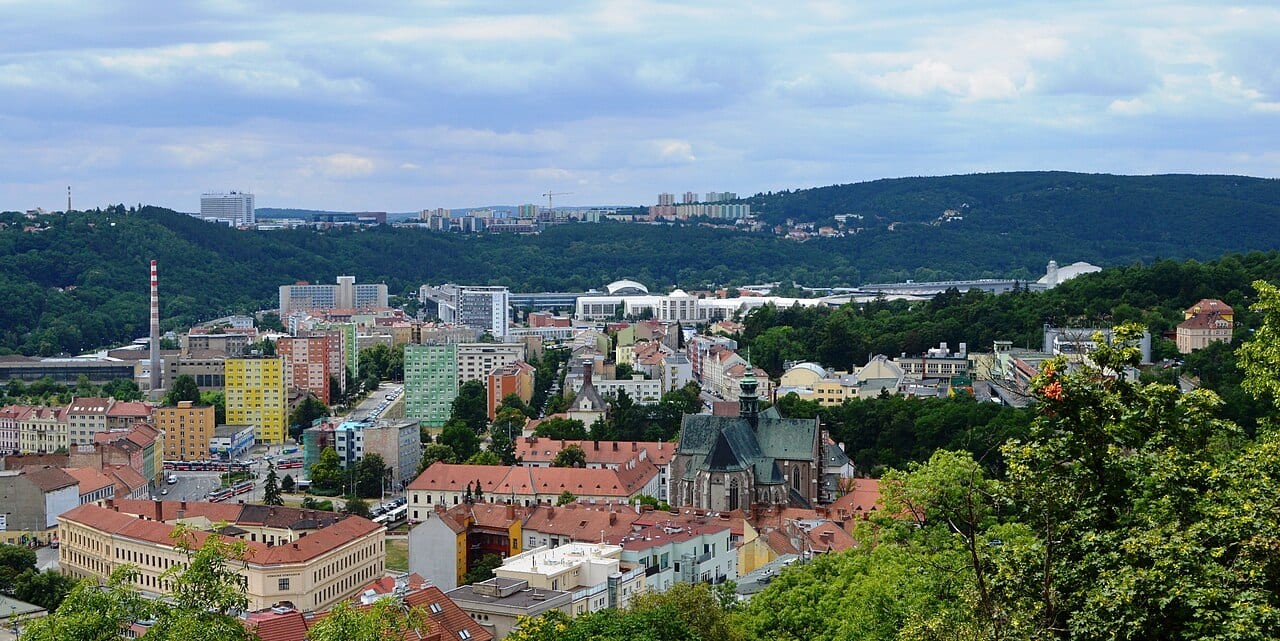
The Czech Republic's second city and its leading technology and university hub, Brno pairs a deep, low-vacancy rental market with appreciation that has lately outpaced Prague in percentage terms. Average apartment prices crossed CZK 116,400 per square metre (about EUR 4,750) in 2025, with a typical flat reaching CZK 9.3 million, still meaningfully cheaper than the capital, where comparable stock sells for roughly 40% more. Demand is driven by the Brno University of Technology, Masaryk University, and the Brno Technology Park, home to IBM, Red Hat, and other multinationals; the student and skilled-professional pipeline keeps the central districts tightly occupied. Kralovo Pole, adjacent to the campuses and tech park, is among the fastest-rising neighbourhoods in the country with 8-12% annual price growth, while the historic centre (Brno-stred), Veveri, and Zabovresky offer characterful pre-war stock. Czech secondary-market prices surged around 21% year-on-year nationally in Q3 2025 amid a supply shortage, and Brno's own new-build asking prices reached CZK 141,000 per square metre. With a population near 384,000 and a structural housing deficit, Brno enters 2026 as the country's strongest regional investment market.
Prague City Guide
Czech Republic
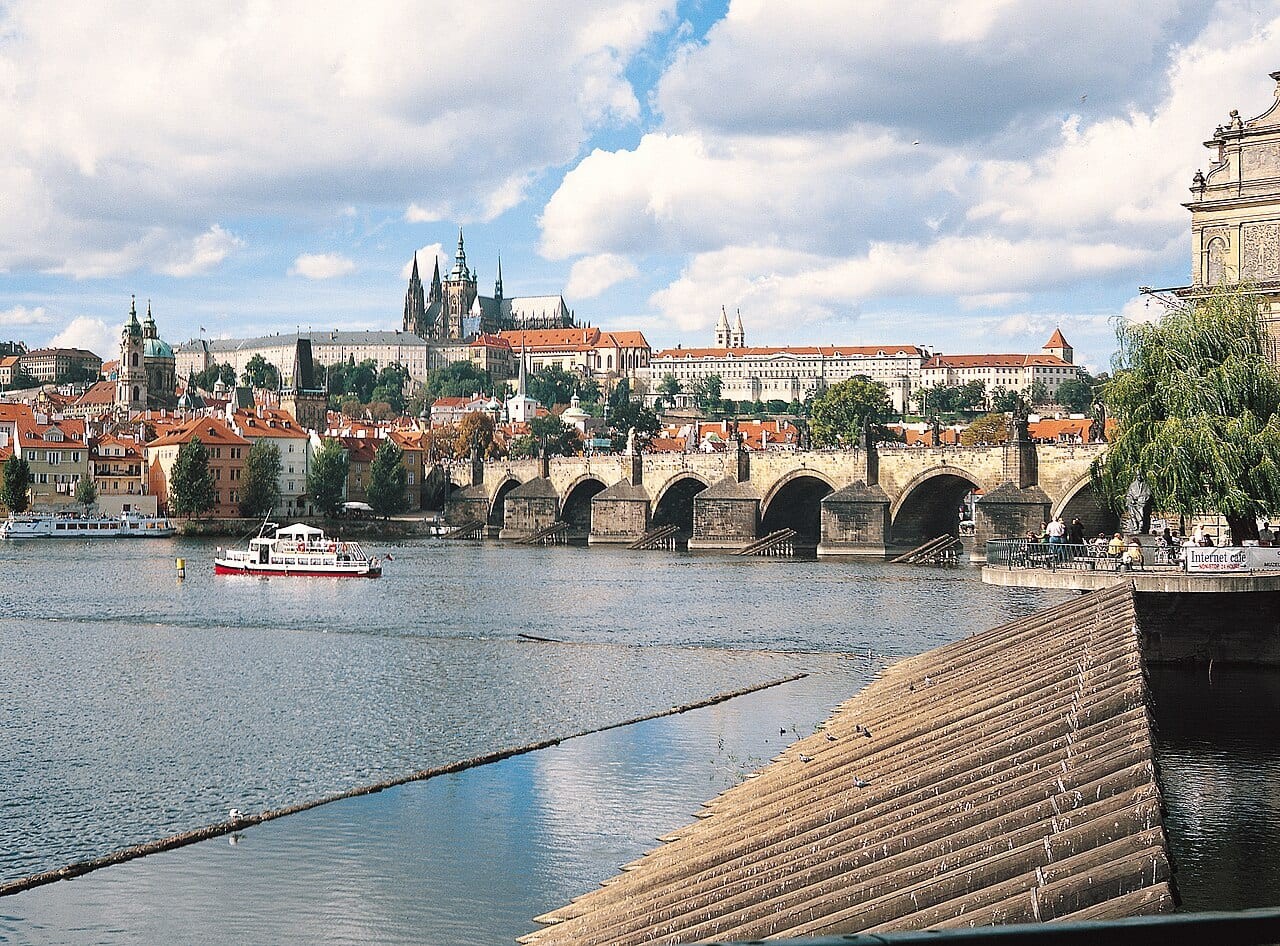
Prague is Central Europe's most expensive residential property market and one of its least affordable relative to local incomes. After a brief 2022–2023 cooling, the market resumed a strong upswing through 2024–2025, with the national house price index growing roughly 10% year-on-year, driven by a chronic housing shortage, slow building-permit approvals, falling mortgage rates and persistent demand. New-build asking prices hit record highs of about €6,700/m² at end-2024, transaction prices for all apartment types reached roughly €5,400/m², and prime central districts (Prague 1 and 2) regularly exceed €8,200/m². The flip side of high prices is low income for investors: Prague's gross rental yields are among the lowest in the CEE region, around 2.8–3.0% citywide, and its price-to-income ratio of roughly 18–19 makes it one of the least affordable capitals in Europe. Prague is therefore a capital-appreciation and capital-preservation play rather than a cash-flow market, buyers accept thin running yields in exchange for a stable EU economy, strong long-term value retention and limited supply that supports prices. For foreign investors the legal environment is unusually open: since 2011 there are no restrictions on foreigners (including non-EU citizens) buying Czech real estate, and the Czech Republic abolished its 4% real-estate-acquisition tax in 2020, lowering entry costs. The main headwinds are the low yields, an emerging crackdown on short-term (Airbnb) letting, and an affordability ceiling that limits how much further prices can run.
Aarhus City Guide
Denmark
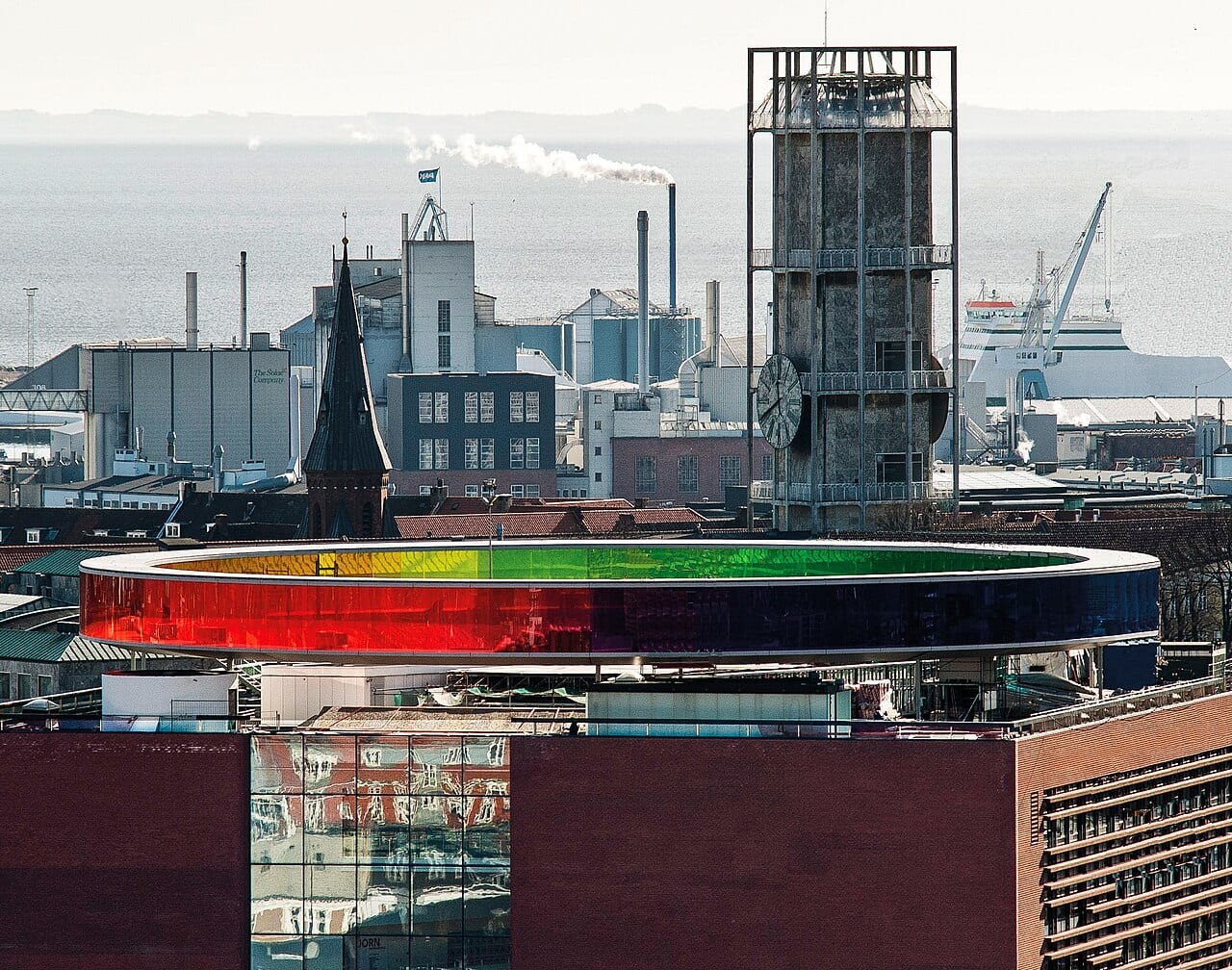
Denmark’s second-largest city and the capital of the Jutland peninsula, Aarhus has built a reputation as the country’s tightest and most resilient rental market. With around 1.2% residential vacancy in Q3 2025, the lowest in Denmark, and a student body anchored by Aarhus University, the city offers investors unusually dependable income relative to the Danish norm. The waterfront Aarhus Ø (Aarhus Docklands), one of Northern Europe’s most ambitious harbourfront regenerations, has reshaped the skyline with new residential towers and become a clear gentrification story, with prices in such districts appreciating an estimated 15–25% over recent years. For yield, investors look inland to student-driven Trøjborg, minutes from the university, and to Viby J, Brabrand, and other outer districts where gross yields reach the 4.5–6% range, against a city average near 4.3% that sits comfortably above Copenhagen’s ~3.0%. The wider Danish market rose roughly 4% nominally over 2025 (about 2% in real terms), a stable backdrop rather than a boom. With an urban population around 301,000 (and a municipality of roughly 378,000), a young demographic profile, and a diversified economy spanning shipping (the Port of Aarhus), life sciences, and education, Aarhus delivers a low-vacancy, income-led entry into the Danish market.
Copenhagen
Denmark
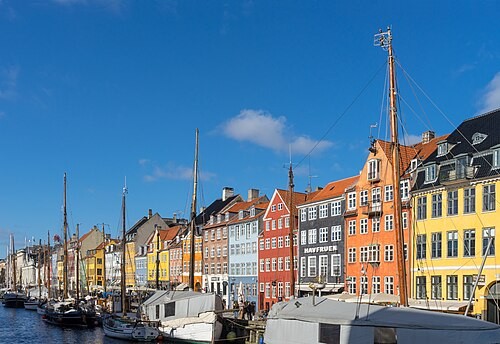
Copenhagen is Denmark's capital, the largest city in Scandinavia by metropolitan population, and consistently a top-5 global liveability ranker. The city is the centre of the Oresund cross-border region (linking to Sweden's Malmo), a major life-sciences cluster (Novo Nordisk, Lundbeck, Genmab), and one of Europe's most committed climate-action capitals. Central districts (Indre By, Frederiksberg, Vesterbro, Norrebro, Osterbro) command DKK 50,000-85,000 per square metre (EUR 6,700-11,400), with gross yields of 3.2-4.5%. The Danish market features a unique andelsbolig cooperative system alongside conventional freehold -- both accessible to foreign buyers, but cooperative purchases need board approval. Mortgage rates have eased since 2024 (Danmarks Nationalbank tracks ECB cuts), supporting renewed price growth after 2022-23 softness. For international buyers, Copenhagen offers EU standing, English-friendly business and education systems, strong rental demand from life sciences and tech tenants, and the lifestyle premium of one of Europe's most liveable cities. The catch: Denmark's foreign-buyer permission requirement applies to non-EU/EEA nationals (a Justice Ministry approval), and high transaction costs (~6-8% all-in).

Roseau City Guide
Dominica
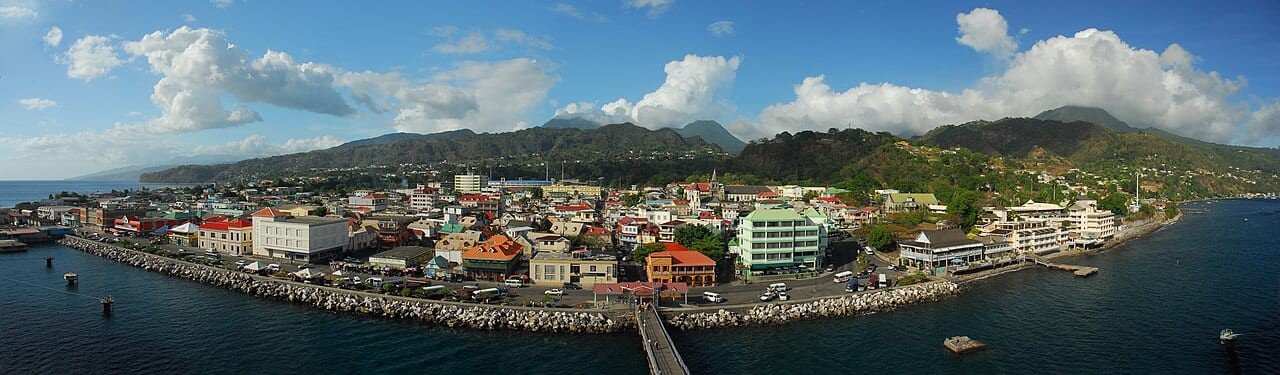
Roseau is the capital and largest city of Dominica, a compact colonial settlement on the island's south-west coast within Saint George Parish, hemmed between the Caribbean Sea and the Roseau River. As the administrative, commercial, and cruise centre of the 'Nature Island', it offers the most developed infrastructure and the deepest pool of jobs and services in the country, which makes it the preferred base for foreign buyers prioritising connectivity over pure beachfront. Prices in Roseau run roughly 10% above the national average, with four-bedroom homes advertised around US$270,000 and broader values spanning US$500 to US$5,000 per square metre depending on location and finish; the nearby Castle Comfort and Wall House areas are the most popular with international investors. Dominica's Citizenship by Investment programme, with an approved real-estate route from US$200,000, is the primary engine of foreign demand and exempts CBI buyers from the Alien Landholding Licence (otherwise 10% of the sale). Rental returns typically run 2–8% depending on type and tourism flow. The principal risks are a small and illiquid market, heavy reliance on CBI policy, and Dominica's exposure to hurricanes and tropical storms.

Punta Cana City Guide
Dominican Republic
Occupying the easternmost tip of the Dominican Republic, Punta Cana is the Caribbean's leading resort-property market, drawing more than 5 million arrivals a year through its international airport. A combination of white-sand beaches, year-round tourism, hard-currency US-dollar pricing, and an open foreign-ownership regime has made it a magnet for international buyers. Investment concentrates on the high-occupancy short-term rental engine of Bávaro, the ultra-luxury master-planned city of Cap Cana (with its Juanillo and Punta Espada enclaves), the beachfront corridors of Los Corales and El Cortecito, and the gated golf communities radiating inland. Condos average roughly US$1,980-2,100 per square metre - among the more accessible Caribbean entry points - while Los Corales and El Cortecito reach US$2,200-3,500 and Cap Cana villas range from US$1 million to US$4 million-plus. The Dominican Republic welcomed 11.6 million visitors in 2025 with hotel occupancy above 77%, underpinning rental demand. Punta Cana delivers gross rental yields consistently in the 6.75-7.11% range (city average near 7%), with well-managed properties reaching 8% - strong, tourism-driven returns that should be read net of management and seasonality.

Santo Domingo
Dominican Republic
Santo Domingo is the Dominican Republic's capital, the oldest continuously inhabited European-founded city in the Americas (founded 1496), and the financial and political heart of the Caribbean's largest economy by population. The city blends UNESCO-listed colonial architecture (Zona Colonial) with modern high-rise districts (Piantini, Naco) and a growing professional services economy. Residential prices in prime districts range from USD 1,800-3,500 per square metre, with gross yields of 6.5-9.5% -- among the best in the Caribbean for long-let. Foreign buyers face no restrictions on property ownership in DR, and the country offers a very accessible residency-by-investment programme (USD 200,000 qualifying investment). For international buyers, Santo Domingo offers some of the Caribbean's best yields, open foreign ownership, an accessible residency programme, and growing professional services and tourism economies. The catch: Dominican peso (DOP) volatility, slower legal/transaction processes than Panama or Costa Rica, and infrastructure quality varies sharply by district.


Cuenca
Ecuador
Cuenca, a UNESCO World Heritage city in Ecuador's southern Andes, is the country's premier expat and retirement destination and its most expensive residential market by land value. Median asking prices sit near $1,230/m² in 2026, with prime apartments on Av. Ordóñez Lasso and around El Centro reaching $1,300/m². Demand surged roughly 32% in 2024 (Plusvalía data), and the market has held firm through national uncertainty thanks to a deep, dollar-denominated expat buyer base. Gross rental yields on well-located apartments run 7–8.5%, among the strongest in Ecuador, driven by long-stay retirees and short-term visitors to the colonial core. Ecuador uses the US dollar (since 2000), removing currency risk for foreign buyers. Foreigners own property on identical legal footing to citizens, no trusts, partners, or licences required, and Cuenca sits well outside the 50km border and coastal restriction zones. A property assessed at roughly $48,200 (100× the 2026 minimum wage) qualifies the buyer for the Inversionista investor-residency visa, a two-year temporary permit leading to permanent residency in about four years. Annual property taxes commonly run under $300. With heritage protections capping new central supply, scarcity supports steady 3–5% appreciation on prime stock.